
I have recently been reflecting on the deplorable state of our educational system in Nigeria and other developing countries, particularly regarding access to digital learning materials. Many educational publishers may dislike this proposal, but it addresses a critical problem in our system.
Just recently, the Federal Republic of Nigeria banned graduation ceremonies for pre-primary 6, JSS 3, and SS3 students and mandated the reuse of textbooks. Quoting the new policy: “Under the new framework, textbook revisions must reflect substantive improvements in content rather than minor changes in layout or pagination, thereby extending the lifespan of approved textbooks and ensuring better value for money.” While I applaud this step, I want the government to pursue more innovative solutions to improve accessibility of educational resources, rather than these modest changes that often face implementation challenges. Yes, we have a persistent problem with execution in this country.
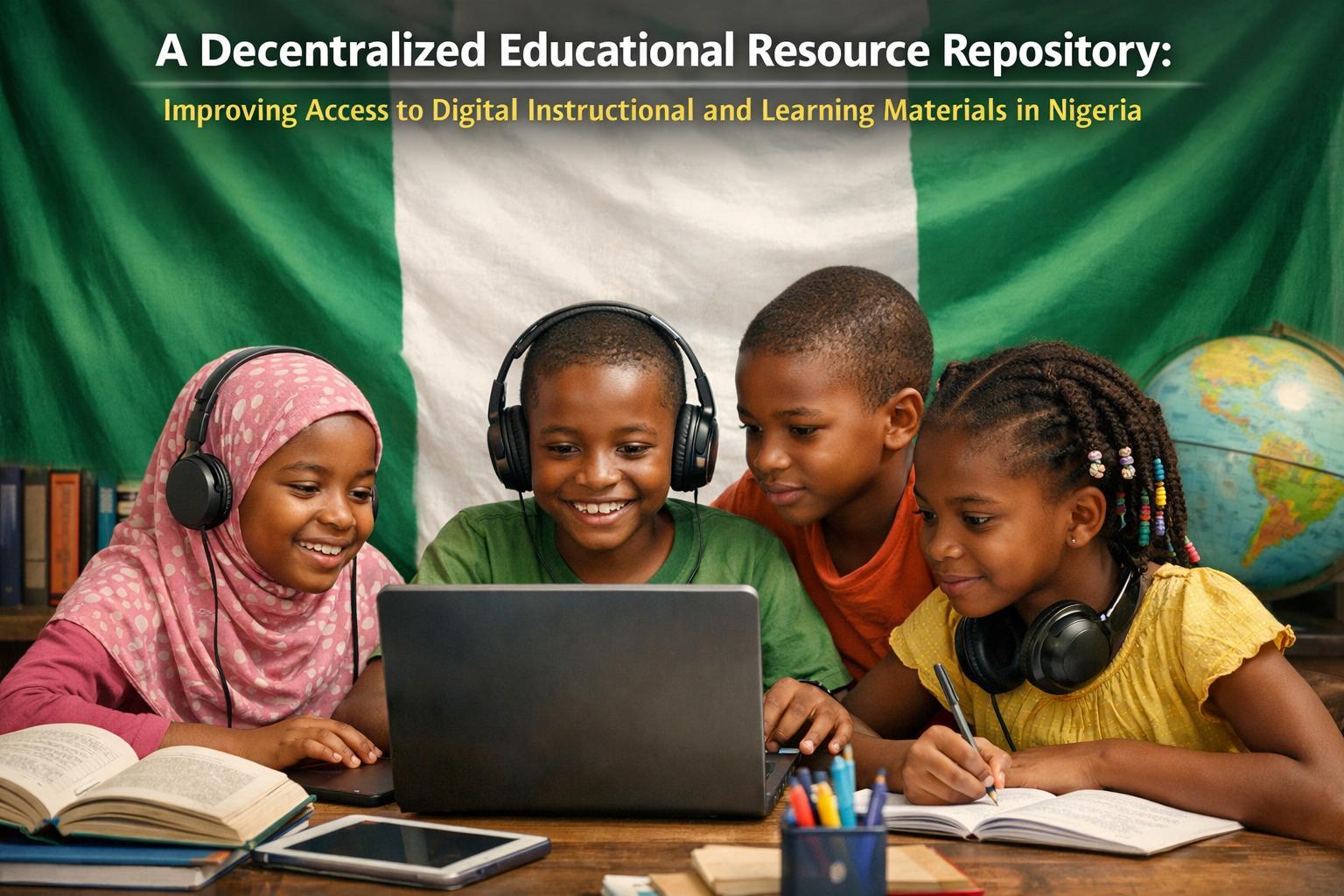
I propose to the Minister of Education and all educational stakeholders the creation of a decentralized, state-by-state educational resource repository. This platform would offer free access to downloadable e-textbooks, audio formats of approved textbooks, gamified learning materials, educational videos, past JAMB and WAEC exam papers, and integration with JAMB and WAEC portals for centralized sharing of information for primary and secondary schools. While this may impact textbook authors and publishers, the government could offer e-texts at discounted rates, allowing hardcover versions to remain available at full price. The federal government, through the Ministry of Education, could hire multilingual expert instructional technologists to design lessons on all major topics in science and arts in the three major local languages and English, easing the load for teachers who should focus more on the moral formation of our children.
Access to quality learning materials remains a major barrier, and I strongly believe this initiative could transform Nigeria’s educational system and position our children to compete with thier global counterparts in developed countries.
Proven Successes Worldwide
This decentralized model builds on examples from other countries, adapted to Nigeria’s federal structure and resource constraints:
India’s DIKSHA Platform: A national digital infrastructure providing free textbooks, videos, quizzes, and teacher resources in 30+ languages across states. It demonstrates how government-backed digital repositories can scale access in diverse regions.
Khan Academy and CK-12 in the U.S.: Free, open-source textbooks and interactive content supplement traditional materials, especially in underfunded districts. CK-12’s FlexBooks allow customization, proving e-resources can coexist with print publishers.
Peru’s PRONIED Digital Libraries: Government initiatives deliver e-books and videos to rural schools via tablets, bridging urban-rural gaps similar to Nigeria’s challenges.
South Africa’s OER Initiatives (e.g., Nolwazi Repository): Decentralized provincial repositories integrate local languages and curricula, with past exam papers, significantly reducing costs for students and educators.
Key Recommendations
– Start with 2–3 pilot states (e.g., Lagos, Kaduna, Imo) using open-source platforms like Moodle or OER Commons.
– Partner with telecoms (MTN, Glo, Airtel) for zero-rating data on educational sites.
– Offer tiered access: Free basic downloads; premium gamified content via low-cost subscriptions.
– Use blockchain for content tracking to ensure authors/publishers receive micro-royalties per download.
– Integrate offline access (download once, use forever) for areas with poor internet.
This isn’t about replacing publishers but democratising education and creating a parallel public-good ecosystem that amplifies their reach while ensuring no child is left behind due to cost or location. Nigeria’s 18.3 million out-of-school children demand bold innovation—let’s build it.
#EdTechNigeria #DigitalLearning #OER #EducationReform #NigeriaEdTech #FreeEducation #JAMBWAEC #DecentralizedLearning #AfricanEdTech #eduinfomark.org