

Homily For The 27th Sunday in Ordinary Time, Year A, October 4, 2023.
“To be grateful is to recognize the love of God in everything.” – Thomas Merton
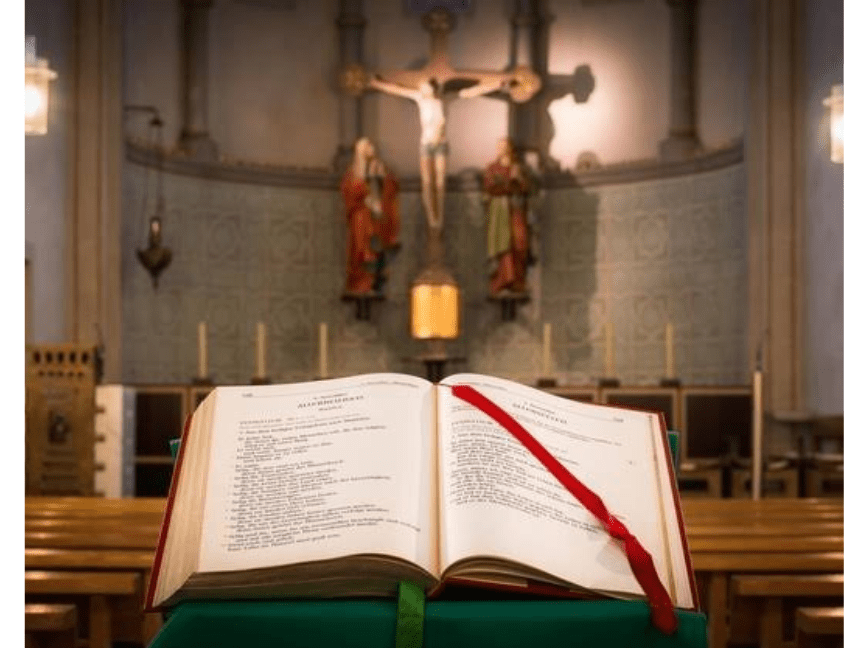
Sunday Readings
God’s Vineyard: A Homily on Gratitude, Stewardship, and Bearing Good Fruit
My dearest friends in Christ,
Today is a beautiful Sunday—a day to encounter God together as one family. Let us ask Him to fill our hearts with His life-giving word and help us use well all that He has entrusted to us.
Today’s readings invite us to reflect on God’s vineyard. They reveal how lovingly God cares for His people and challenge us to ask whether our lives are bearing the good fruit He desires.
What Does God’s Vineyard Mean?
In the first reading, the prophet Isaiah describes a vineyard planted and carefully tended by its owner. He prepares the soil, clears the stones, and plants choice vines. Yet, when he looks for good grapes, the vineyard produces wild grapes. Isaiah tells us that the vineyard represents the house of Israel. God gave His people every opportunity to flourish, but instead of justice, He found bloodshed and suffering.
This image also speaks to us today. God has blessed us with life, faith, talents, relationships, and a world to care for. His care calls for a response: lives marked by holiness, justice, peace, and love.
Christ Is the True Vine
The Catechism of the Catholic Church describes the Church as a cultivated field and a choice vineyard planted by the heavenly cultivator (CCC 755). It also reminds us that Christ is the true vine who gives life and fruitfulness to His branches.
Jesus says, “I am the vine, you are the branches. Whoever remains in me and I in him will bear much fruit, because without me you can do nothing” (John 15:5). We cannot bear lasting spiritual fruit by relying on ourselves alone. We grow when we remain close to Christ and allow His word to shape our lives.
The Parable of the Wicked Tenants
In the Gospel, Jesus tells the chief priests and elders about a landowner who plants a vineyard, equips it, and leases it to tenants. When harvest time comes, he sends servants to collect the produce. The tenants beat and kill them. Finally, the landowner sends his son, but the tenants kill him too, hoping to claim the inheritance for themselves.
The parable confronts us with a difficult question: Do we receive God’s gifts with gratitude, or do we act as though they belong to us alone? The tenants were entrusted with the vineyard, but they wanted to possess it. Greed blinded them to the goodness of the one who had given them a place to work and flourish.
From Greed to Gratitude
We face the same temptation whenever we treat our time, abilities, possessions, or influence as ours to use without regard for God or others. Life is a gift entrusted to us, not a possession we can hold forever. One day, we will be called to account for how we have lived and loved.
Gratitude offers another way. It helps us recognize God as the giver, share what we have received, and resist the desire to take more at others’ expense. What gift has God placed in your care, and how might you use it more generously this week?
Caring for People and Creation
The call to be faithful caretakers reaches beyond our personal lives. God has entrusted us with responsibilities toward one another and toward the world we share. We should not neglect human life, waste resources, or damage the land and waters that sustain our communities.
Our response can begin with practical choices: reducing waste, treating people with dignity, using resources responsibly, and protecting the places where we live. To care for creation is one way to show gratitude for God’s gifts and concern for our neighbors.
Listening to God’s Messengers
The servants in Jesus’ parable remind us of those whom God sends to call His people back to Him. The tenants rejected the servants before rejecting the son. Their response asks us to consider how we receive correction, truth, and invitations to change.
Let us listen with open hearts to God’s word and pray for those who serve His people. Rather than dismissing a message because it challenges us, we can ask what God may be inviting us to see and do.
What Fruit Does God Ask of Us?
Isaiah’s vineyard produced wild grapes where good fruit was expected. In the second reading, St. Paul points us toward a different harvest. He urges us to dwell on what is true, honorable, just, pure, lovely, and gracious—and to put what we have learned into practice (Philippians 4:8–9).
Good fruit grows through daily choices: speaking truthfully, making peace, showing mercy, sharing generously, and remaining faithful in prayer. God does not ask us merely to admire goodness. He calls us to live it.
Jesus, Our Cornerstone and Hope
Jesus ends the parable by saying the stone the builders rejected becomes the cornerstone. The rejected Son is the foundation on whom we can build our lives. When we remain in Him, the true vine, His grace enables us to bear fruit that lasts.
As we begin a new week, let us give thanks for God’s patient care. May we receive His gifts humbly, tend what He has entrusted to us, and offer Him the fruit of lives shaped by faith and love.
“Have no anxiety at all, but in everything, by prayer and petition, with thanksgiving, make your requests known to God” (Philippians 4:6).
May God bless you and grant you His peace throughout the week. Amen.

I keep you and your family always in my prayers. ©Clem C. Aladi (2026)