
Homily For The 24th Sunday in Ordinary Time, Year A, September 13, 2026
We must develop and maintain the capacity to forgive. He who is devoid of the power to forgive is devoid of the power to love. There is some good in the worst of us and some evil in the best of us. When we discover this, we are less prone to hate our enemies.”
– Martin Luther King Jr.
The Great Debt of Forgiveness: A Reflection on Mercy, Healing, and Reconciliation
My Dearest Friends in Christ
I welcome you in the name of the Lord on this 24th Sunday in Ordinary Time. May our encounter with the Word of God today transform our lives and teach us to become more forgiving people.
Have You Forgiven Him or Her Lately?
Reflecting on today’s readings, especially the Gospel, I asked myself: Have I not been too unsympathetic and unforgiving toward those who have offended me, despite all the forgiveness and mercy that God continually pours into my soul? Should I not have pity and forgive others even when they may not deserve it, at least for God’s sake? If I do not forgive others, how then can I expect to be forgiven by God?
God Is Challenging Us to Forgive
My dearest friends, today’s readings present a great challenge to us. It seems to me that hatred, anger, and wrath have been increasing in this age of social media. The last decade has witnessed tremendous acts of man’s inhumanity toward his fellow human beings: killings, divorce, kidnapping, family disputes, and countless other social and spiritual maladies that are often rooted in hatred and unforgiveness.
Love and peace come with an even higher price, one that only forgiving people are willing to pay. Is our generation more forgiving than past generations? If we are not, what has led us to become so unforgiving? Is it poverty, greed, pride, jealousy, or a culture around us that promotes vengeance?
“Hate has caused a lot of problems in this world, but it has not solved one yet.” – Maya Angelou
The theme of forgiveness pervades today’s readings. Forgiveness is a debt we owe to our fellow men and women and to ourselves. It is a divine responsibility whose call to service has no expiration.
Forgiveness Is Possible Through the Grace of God
The human person is vulnerable by nature and feels deeply the pain of injury or any form of harm inflicted upon us. Our psychological mechanisms create mental images of the painful experiences we have endured and of the circumstances, activities, and persons associated with those experiences.
These painful memories, even when we do not act upon them immediately, can remain within us and occasionally manifest in our conscious thoughts and feelings. They can activate emotions of hatred, anger, resentment, and unforgiveness.
Forgiveness, therefore, often runs counter to our natural human instincts. Our instinct may be to seek revenge for the harm done to us because revenge can temporarily make us feel that justice has been served. Yet revenge often causes even greater harm.
It takes the grace of God, which elevates and transforms our human nature, to embrace genuine forgiveness. It is the Holy Spirit who moves our hearts to forgive. Forgiveness becomes habitual when we cooperate with God’s grace.
Forgiveness is a conscious and enduring attitude, not merely an occasional act. It strengthens our relationships with one another and with God. True forgiveness from the heart is nurtured through prayer.
“Forgiveness is not a feeling; it is a commitment. It is a choice to show mercy, not to hold the offense up against the offender. Forgiveness is an expression of love.” – Gary Chapman
The Word of God has always emphasized our need to forgive. Forgiveness liberates us from the captivity that unforgiveness can create.
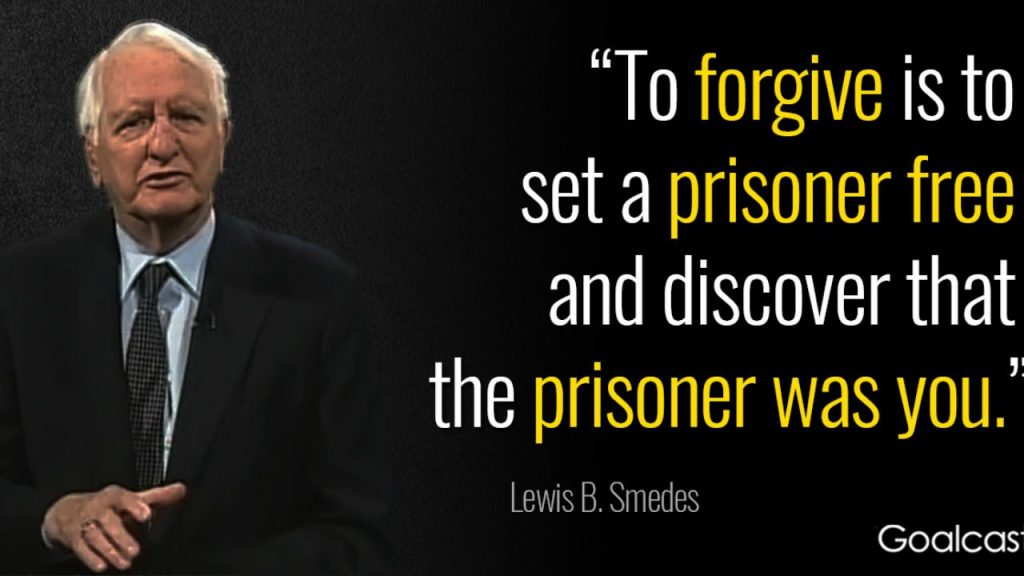
When we refuse to forgive others, we can imprison ourselves in the dark cells of resentment and sin. We deliberately build a wall that obstructs the flow of divine grace into our hearts and damages our relationship with God. Forgiveness is therefore one of the most important virtues we need in order to relate with one another in a world that too often encourages revenge.
“It can be hard to forgive and let go but it’s important to remember that harboring the resentment and holding a grudge can hurt you even more.” – Jack Canfield
The Danger of Hatred and Grudges
Sirach, in the First Reading, warns us about the danger of hatred and wrath. He admonishes us to remember death and decay, to cease from sin, to remember God’s covenant, and to overlook the faults of others.
Can anyone who harbors anger against another expect healing from the Lord, Sirach asks? The answer is no.
Christ’s death on the Cross was the ultimate price paid for our sins. He forgave our iniquities. Rather than making humanity pay the full debt of sin, God Himself paid the price to set us free.
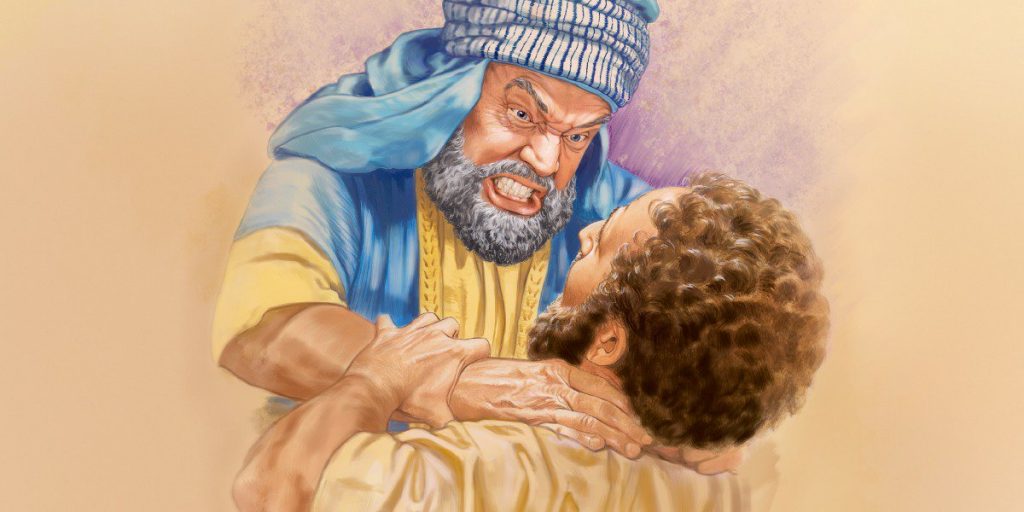
It is this debt of forgiveness that today’s Gospel portrays when the master, moved with compassion, forgave his servant a debt far greater than the servant could ever repay.
Therefore, as people who have been forgiven and set free, we too ought to have compassion for others and release them from the debts they owe us.
When we pray the Lord’s Prayer, we ask God to forgive us as we forgive those who trespass against us. Think about that for a moment: if we refuse to forgive those who hurt us, aren’t we contradicting the very prayer we offer to God?
Our prayer then becomes a contradiction between what we say with our lips and what we hold in our hearts. It would almost be more truthful for an unforgiving person to say, “Do not forgive me because I have not forgiven those who trespassed against me.”
How does that sound? Yet that is the uncomfortable reality contained in the prayer of an unforgiving person.

Treat Others the Way God Treats You
The attitude of the servant who was forgiven by his master but subsequently refused to forgive another person reminds us of how we sometimes treat others.
It is an extraordinary act of ingratitude for us to refuse to forgive others for their offenses when God has shown us so much mercy and forgiveness.
Forgiveness is an expression of gratitude to God for His love and mercy. It is also something we owe to others.
Peter thought there was a limit to forgiveness when he asked Jesus whether he should forgive seven times. Seven symbolizes completeness or perfection, but Jesus taught him that forgiveness has no such limit.
Even if you kept a diary recording every time someone hurt you, you could never reach an unpardonable number of offenses.
And think about this: What if God limited the number of times He would forgive us? What if He said, “After a certain number of times, you can no longer be forgiven. You have used up all your chances”?
If that were the case, who among us could hope for Heaven?
God does not place a numerical limit on His mercy when we sincerely repent and seek His forgiveness. We should therefore not place unnecessary limits on our willingness to forgive one another.
Jesus Shows Us the Ultimate Example of Forgiveness
On the Cross, Jesus forgave those who crucified Him:
“Father, forgive them, for they know not what they do.” (Luke 23:34)
Stephen did the same when he prayed for those who were stoning him. St. Rita likewise forgave the murderer of her husband and urged her children not to seek revenge.
We too can forgive when we allow God to touch and transform our hearts.
St. Paul gives us a beautiful Christian principle:
“Put on then, as God’s chosen ones, holy and beloved, heartfelt compassion, kindness, humility, gentleness, and patience, bearing with one another and forgiving one another. If one has a grievance against another; as the Lord has forgiven you, so must you also do.”
— Colossians 3:12–13
Forgive From the Heart
Do not forget these words too quickly:
“So will my heavenly Father do to you, unless each of you forgives your brother from your heart.”
May divine grace touch our hearts and teach us to forgive, especially within our families, where wounds can sometimes run deepest and where forgiveness is most needed.
I keep you and your family always in my prayers. ©Clem C. Aladi (2026)