
Homily For The 25th Sunday in Ordinary Time, Year A. September 20, 2026.
“…Or am I not free to do as I wish with my own money”?
“Do not lose heart, even if you should discover that you lack the qualities necessary for the work to which you are called. He who called you will not desert you, but the moment you are in need He will stretch out His saving hand.” – St. Angela Merici
Sunday Readings
Why Do You Stand Here Idle All Day? A Parable Of God’s Generosity & Justice.
My Dearest Friends in Christ,
Today, we have gathered to listen and to be taught by God Himself through His life-changing Word. Today, we are reminded that God does not want anyone to be idle and that our work here on earth has one great reward: eternal life.
God’s Generosity Challenges Our Understanding of Fairness
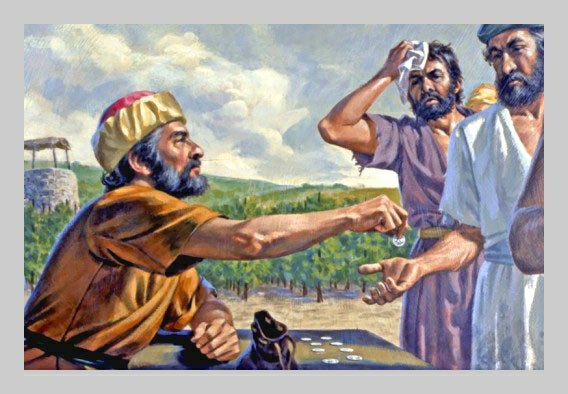
We have often complained about being disfavored or treated unfairly because others have the same opportunities as we do. We think we deserve more than others simply because we believe we have worked harder or sacrificed more than they have. Frequently, we grudgingly accept what we consider unfair while remaining ungrateful for opportunities that many others never had. If you have ever searched for a job for months without finding one, then you will appreciate the landowner’s generosity in hiring everyone at different times and giving the same wage to all.
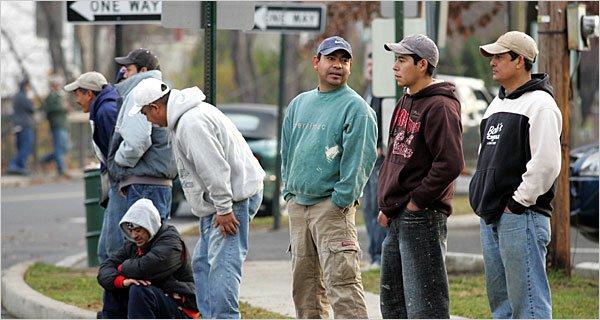
Workers waiting to be hired
In a country such as the United States, where labor is calculated by the hours worked, it would be absurd, unimaginable, and even illegal to pay equally those who worked all day and those who worked only one hour. In fact, the employer could be sued for treating the workers unjustly. However, in the economy of salvation and in our relationship with God, things work differently.
The scandal of the Gospel parable is that we are all equal recipients of God’s gifts. The scandal of our faith is that we are often covetous and jealous when God’s gifts of forgiveness and life are given to others in equal measure. The paradox of Christian life is that the first shall be last and the last shall be first. The “first-come, first-served” principle does not apply here. So excessive is God’s propensity to give and care that it violates our instincts about fairness. Such generosity may look rash to us. Yet God gives the complaining workers exactly what He promised them.
Seek God While He May Be Found
In the first reading, the Prophet Isaiah reminds us to seek the face of God while He may still be found. This prophetic oracle underlines the fact that time may no longer be on our side if we continue basking in the affluence of a sinful life, thinking we have eternity to repent and turn to God. That time may never come.
NOW is the right time. When you breathe your last, your time is up. Are you idle, or are you working for your salvation now, while you still have time to seek God and find Him? Have you done enough penance to expiate the temporal punishments due to your confessed sins?
“The soul is like a vineyard, which, neglected by laziness, produces nothing but thistles.”
—St. Basil the Great, Regulae Previous, p. 442
Spiritual Idleness and the Christian Life
Those who do nothing about their spiritual lives in terms of drawing closer to God and conducting themselves in a way worthy of the Gospel, as Paul instructs us in the second reading, are idling away their time.
An idle soul is one that does not seek to engage in the life of God. An idle soul is passive in spiritual things rather than active. Being passive means that a person becomes somewhat indifferent to matters of faith and morality. There is little interest in these areas and, as a result, very little effort is given to them.
Do not delight the evil one by being idle in your spiritual life. Become zealous, passionate, hardworking, diligent, and committed to the path of holiness. (cf. Faustina’s Diary #1127).
God Calls Us to Work in His Vineyard
The parable paints a picture of the landowner, who represents God, having an inexhaustible supply of work for those who are willing to work. The impression is that the landowner was surprised to find people idle because he had plenty of work to give them.
Scripture says, “The harvest is abundant but the laborers are few.” (cf. Matthew 9:37) So, how can we be idle or say that no one has hired us when the harvest is so great?
God dislikes idleness because an idle soul becomes the devil’s workshop. For this reason, God extends His invitation to everyone, going out at different times of the day, which can be understood as corresponding to various periods in salvation history, to call workers into His vineyard.
There is so much work to be done for God. Our world needs men and women committed to promoting the sacredness of life, peace, justice, love, equity, and all the values of the Gospel. These values are fast disappearing from our world, leading to a culture of death, discrimination, injustice, and hatred.
We must all work together to rebuild our world and restore creation to the glory of God. Paul warns about idleness:
“In the name of the Lord Jesus Christ, we command you, brothers, to keep away from every brother who is idle and does not live according to the teaching you received from us.”—2 Thessalonians 3:6
God Rewards Faithfulness, Not Human Comparison
Think of it: at the dawn of the history of salvation, God called Abraham, and in the last days, He called the Apostles. Each worked for the growth of God’s Kingdom and for his own salvation. Some, like Paul, worked more than others. (cf. 1 Corinthians 15:10)
Abraham exemplified his good works through faith. The Apostles did the same through their preaching and teaching, and they paid the price with their blood. Both Abraham, who was called first, and the Apostles, who were called centuries later, received the same reward of eternal life.
“You are rewarded not according to your work or your time but according to the measure of your love.”
—St. Catherine of Siena
Do Not Be Envious of God’s Blessings to Others
God rebuked the laborers who started work in the morning for complaining about His generosity to others and for their envy and resentment.
“Are you envious because I am generous?”
We, too, often find ourselves envious of God’s blessings upon others. God is a generous giver, and He decides how He blesses each one of us. It does not matter how much you have toiled, but remember that God does not cheat anyone. He is a God of equity and justice.
So, do not feel that you have been unjustly deprived of God’s blessings. Scripture tells us:
“In vain you rise early and stay up late, toiling for food to eat, for He blesses those He loves while they slumber.”—cf. Psalm 127:2
God’s Reward Is Greater Than Human Expectations
Peter wanted to know what they would receive in return. (cf. Matthew 19:27). Through this parable, Jesus assured Peter and the disciples that they would be rewarded.
The principle that many who are first will be last and the last first (Matthew 19:30) means that God may not reward us according to human expectations. His ways are not our ways, and His generosity cannot be measured by our limited understanding of fairness.
Conclusion: Work Faithfully for God’s Kingdom
May we shun every form of idleness and envy. Engage yourself mentally and spiritually in your daily work, build up your spiritual life, and work for the growth of God’s Kingdom.
May He who called you by His name sustain and strengthen you, and may He reward your faithfulness with everlasting life in the end. Amen.

Family Prayers and study of the Bible help instill good morals
I keep you and your family always in my prayers. ©Clem C. Aladi (2026)